Plug It In, Build It Out: Why Modular Fabrication Is Quietly Killing the All-in-One Machine
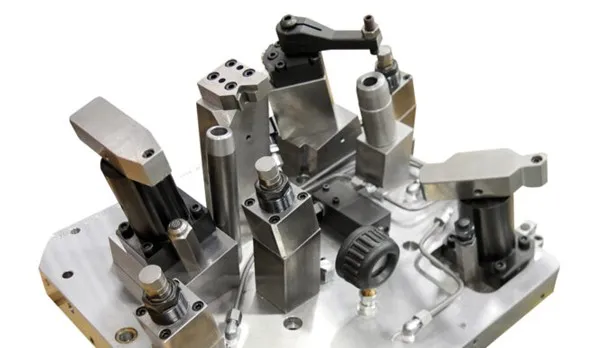
Photo: modular CNC machine workshop tool swapping components, via waykenrm.com
The Problem With Buying the Whole Package
Walk into almost any makerspace that's been around for more than a few years, and you'll probably find at least one machine gathering dust in the corner. Maybe it's a laser cutter that only works with one proprietary software. Maybe it's a CNC router that nobody uses because the learning curve is brutal and the documentation is basically a PDF from 2009. These machines weren't cheap, and they're not broken — they're just stuck.
That's the dirty secret of monolithic fabrication equipment. You buy the whole thing, you get the whole thing, and when something doesn't fit your workflow or your needs evolve, you're kind of out of luck. Upgrading often means buying again. Swapping out a component that's wearing down can cost nearly as much as the original purchase. And integrating that machine with anything else in your shop? Good luck.
This is exactly the problem that modular fabrication design is starting to solve — and it's happening faster than most people realize.
What "Modular" Actually Means in a Fabrication Context
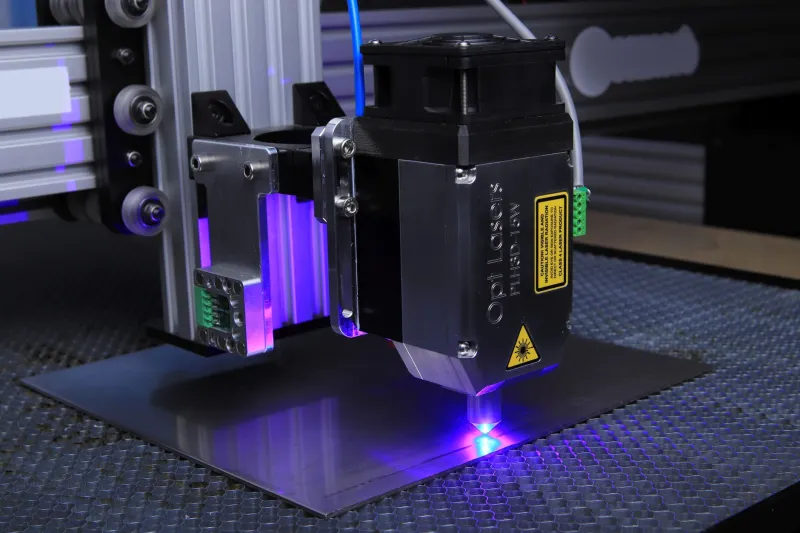
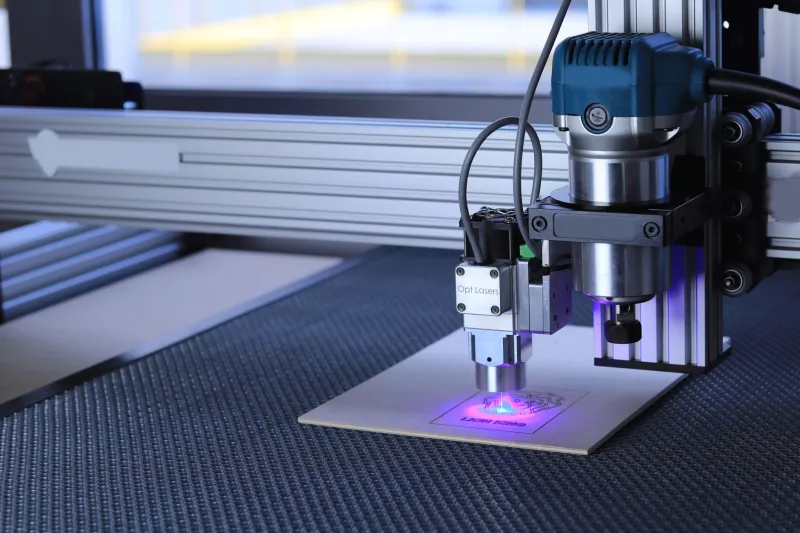
The word gets thrown around a lot, so let's be specific. In the context of digital fabrication, a modular approach means that the individual functional components of a machine — the motion system, the toolhead, the control board, the power supply, the software interface — are designed to be interchangeable and independently upgradeable. You're not buying a laser cutter. You're buying a motion platform that happens to have a laser module on it today, and maybe a drag knife module or a pen plotter tomorrow.
Projects like the Jubilee motion platform, developed out of MIT, are a great example of this philosophy taken seriously. Jubilee is an open-source, tool-changing motion platform that lets you swap toolheads mid-print, mid-cut, or mid-whatever. It's not a printer. It's not a plotter. It's infrastructure — a base layer that different tools can plug into and share.
Similarly, the broader ecosystem around modular electronics — think of how Raspberry Pi HATs or Arduino shields work — has started bleeding into the physical fabrication world. Control boards like Duet and SKR are increasingly being designed with expansion in mind. Toolheads from different manufacturers are starting to use shared mounting standards. It's not seamless yet, but the direction is clear.
The Economic Argument Is Hard to Ignore
For a solo maker or a small makerspace operating on a tight budget, the economics of modular fabrication are genuinely compelling. Instead of sinking $3,000 into a dedicated machine for one process, you can build a capable platform for less and add capabilities as you actually need them — and as you can afford them.
There's also the maintenance angle. When a monolithic machine breaks, you're often dealing with proprietary parts, manufacturer support queues, and repair costs that can rival the original price tag. When a modular system breaks, you identify the failed module, replace or rebuild it, and keep moving. The rest of your setup stays functional. That's not a small thing when you're trying to run a production schedule or teach a class.
Makerspaces in particular have started paying attention to this. Several community shops across the country have quietly shifted their equipment purchasing philosophy away from "buy the best all-in-one" toward "build a flexible platform." The Chimera Fab Lab in Tucson has been public about this shift, noting that their modular motion system has served more members across more use cases than any single-purpose machine they've owned.
The Software Side of the Equation
Hardware modularity only gets you so far if the software doesn't follow. And honestly, this is where things get more complicated. One of the persistent frustrations in the maker world is that control software often assumes a fixed machine configuration. Change the toolhead, and suddenly your slicer doesn't know what to do with itself.
This is part of why projects like Fab Modules and similar open toolchains matter so much. When the software is open and configurable — when you can define your machine's behavior rather than just accepting what the manufacturer decided — modularity becomes genuinely powerful. You're not fighting your software every time you swap a component. You're just updating a config file.
Kiri:Moto, an open-source CAM tool that runs in the browser, has made notable progress on this front. It doesn't care what machine you're using as long as you can describe it. That kind of software flexibility is the missing piece that turns a modular hardware setup from a cool idea into a practical workflow.
Who's Actually Building This Way
It's not just hobbyists experimenting in their garages. Small-batch manufacturers and indie hardware companies are starting to build their production infrastructure around modular principles specifically because it lets them pivot without massive capital investment.
Take a maker like Josh Vasquez, who runs a small electronics and enclosure business out of his home shop in Portland, Oregon. He started with a single FDM printer and a borrowed laser cutter. Over three years, he's built a system where a single motion platform handles light milling, vinyl cutting, and paste dispensing for PCB work — all by swapping toolheads. His total hardware investment is a fraction of what it would cost to own dedicated machines for each process, and his shop footprint is small enough to fit in a two-car garage.
Stories like his are becoming more common, and they're not accidents. They're the result of a maturing open-source ecosystem that's finally making modular fabrication practical at the small scale.
The Road Ahead
Modular fabrication isn't a solved problem. Standardization is still messy — there's no universal toolhead mount, no agreed-upon communication protocol between modules, and no single software stack that handles everything gracefully. These are real gaps, and they're why the experience can still feel rough around the edges.
But the trajectory is encouraging. Community-driven standards efforts are gaining traction. More manufacturers are at least paying lip service to interoperability, even if genuine openness is still rare. And the maker community itself — through shared designs, open documentation, and collaborative troubleshooting — is filling in a lot of the gaps that commercial vendors leave behind.
The monolithic machine isn't going away tomorrow. But the idea that you have to buy a single, closed system and accept its limitations? That idea is on borrowed time.