The Software Bottleneck Nobody Talks About: How Prep Tools Are Holding Back Your Fab Machine
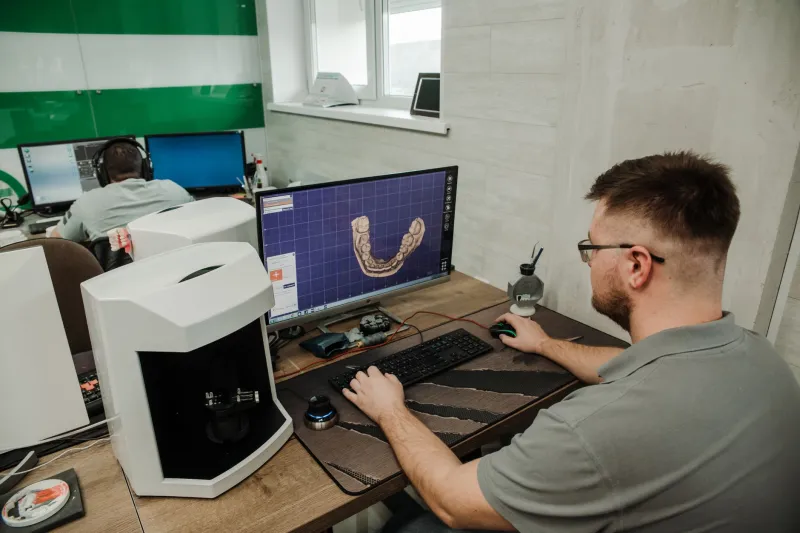
Let's say you've just upgraded your shop. New spindle, tighter tolerances, faster feed rates—your CNC router is genuinely impressive. You can feel the difference the moment it cuts. But here's the thing nobody warned you about: you're still going to spend most of your Tuesday fighting with your CAM software, hunting down the right post-processor, and wondering why your simulation keeps throwing phantom collisions on a toolpath that worked fine last week.
The hardware has lapped the software. And in the digital fabrication world, that gap is quietly becoming one of the most frustrating problems makers face.
The Machine Moved Faster Than the Workflow
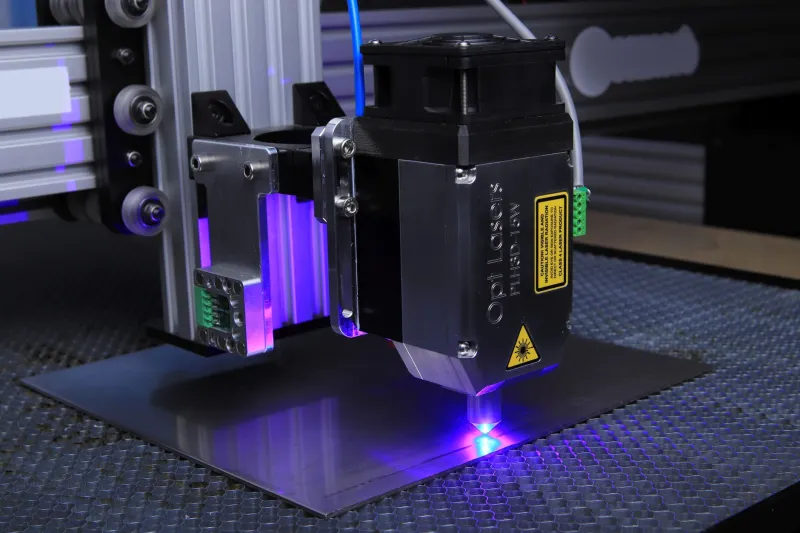
Over the last decade, the physical tools available to independent makers and small shops have gotten genuinely remarkable. Affordable desktop CNCs, diode lasers with actual power behind them, resin printers with micron-level resolution—the barrier to owning capable fabrication equipment has never been lower. A garage shop in Columbus, Ohio, can now produce parts that would've required a professional machine house ten years ago.
But software workflows? They've improved, sure. Just not at the same pace. The pipeline from a CAD model to a finished machine-ready file still involves a tangle of format conversions, tolerance assumptions, toolpath logic, and machine-specific quirks that can eat hours before a single chip flies.
Talk to almost any maker who's been in the game for a few years and you'll hear the same story: the machine is ready, the design is done, but the middle part—the prep work—is where time goes to die.
Where the Friction Actually Lives
It's worth being specific, because "software is hard" is too easy an excuse. The real friction points are pretty consistent across the community.
CAD-to-CAM handoffs are a perennial headache. Even when you're working within a single vendor's ecosystem, moving a model from design to toolpath generation often introduces errors—missing surfaces, flipped normals, geometry that looks fine in the design environment but causes the CAM software to choke. Throw in cross-platform workflows—say, FreeCAD to Fusion 360 to a standalone post-processor—and you're basically doing translation work between dialects that don't fully trust each other.
Post-processors deserve their own paragraph of frustration. Every machine controller speaks a slightly different version of G-code. The post-processor is the translator, and when it's wrong or outdated, you don't always know until the machine does something unexpected. Finding, testing, and maintaining the right post-processor for your specific controller version is a task that falls entirely on the maker—and the documentation, when it exists at all, is often years out of date.
Simulation and verification tools are improving but still lag behind the complexity of modern toolpaths. Adaptive clearing, multi-axis work, foam and composite cutting—these are areas where simulation either oversimplifies or throws false alarms, leaving makers to do empirical testing (read: scrapping material) to validate their setups.
Open-Source Is Trying to Close the Gap
Here's where it gets interesting. The commercial CAM space has been slow to address these pain points—partly because the dominant players have little incentive to make interoperability easy. But the open-source community has been chipping away at the problem from multiple angles.
FreeCAD's Path workbench has matured significantly in recent releases. It's not perfect, and the learning curve is real, but it offers a fully open pipeline from parametric design to toolpath generation—no licensing fees, no feature paywalls, and a community that's genuinely invested in fixing the rough edges.
OpenCAMLib is a lower-profile project that's worth knowing about. It's a library for generating cutter location data—essentially the math behind toolpaths—that developers can build on top of. It's not a finished product, but it's the kind of foundational open-source work that eventually makes better tools possible.
Fab Modules itself has long emphasized the idea that the software connecting design to fabrication should be open, modifiable, and understandable by the people using it. That philosophy matters here. When a post-processor is wrong, you should be able to fix it. When a workflow doesn't fit your machine, you should be able to adapt it. Closed tools make that nearly impossible.
There are also newer efforts around workflow automation and file validation—tools that check models before they hit CAM, flag common errors, and standardize handoffs between software stages. Some of these are commercial; some are community-built. The open-source versions are scrappier but often more flexible.
The Human Cost of a Broken Pipeline
This isn't just a technical annoyance. It has real effects on how makers work and what they make.
When prep work is unpredictable, it discourages experimentation. You're less likely to try a new toolpath strategy or push into unfamiliar material if you know the software setup alone might eat your afternoon. Makers end up defaulting to what they know works, which is rational but creatively limiting.
For small shops and DIY entrepreneurs, it also has economic weight. Time spent on file prep is time not spent designing, building, or selling. The software bottleneck is, in effect, a hidden tax on productivity.
And for newcomers to digital fabrication, it's a genuine barrier. The hardware is approachable. The software pipeline—especially when it involves multiple tools, formats, and machine-specific configurations—can feel impenetrable. That's a problem for a community that depends on bringing in new makers.
What Better Looks Like
The goal isn't a single monolithic tool that does everything. That's the all-in-one approach, and it tends to produce software that's mediocre at most things and excellent at none. What makers actually need is a modular, interoperable software stack—tools that do their specific job well and hand off cleanly to the next stage.
That means open file formats. It means post-processors that are readable and editable. It means simulation tools that are honest about what they can and can't verify. And it means documentation that's actually maintained.
Some of this is already happening. The pace is just slower than the hardware deserves. Until the software catches up, the bottleneck stays—and your expensive, capable machine will keep waiting on Tuesday afternoon while you argue with a post-processor that hasn't been updated since 2019.