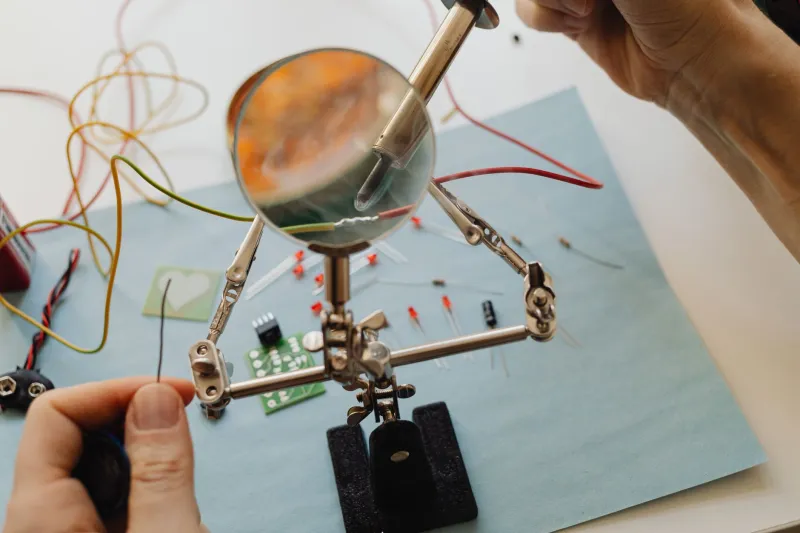
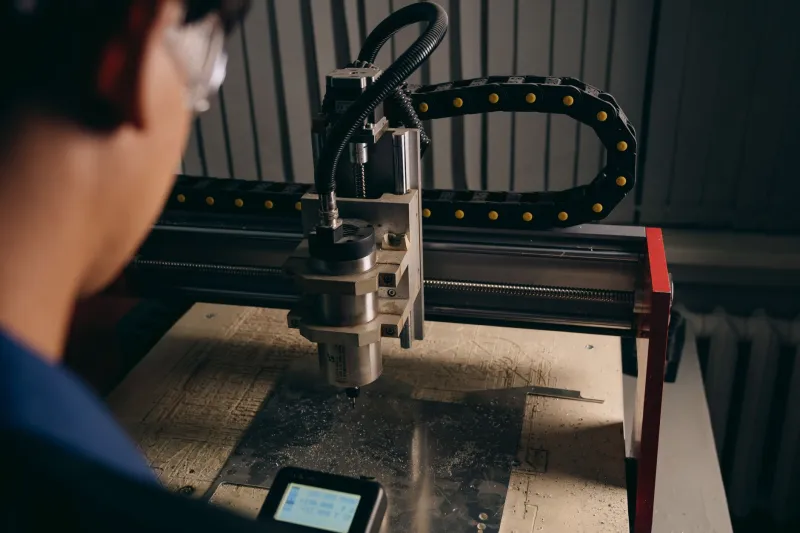
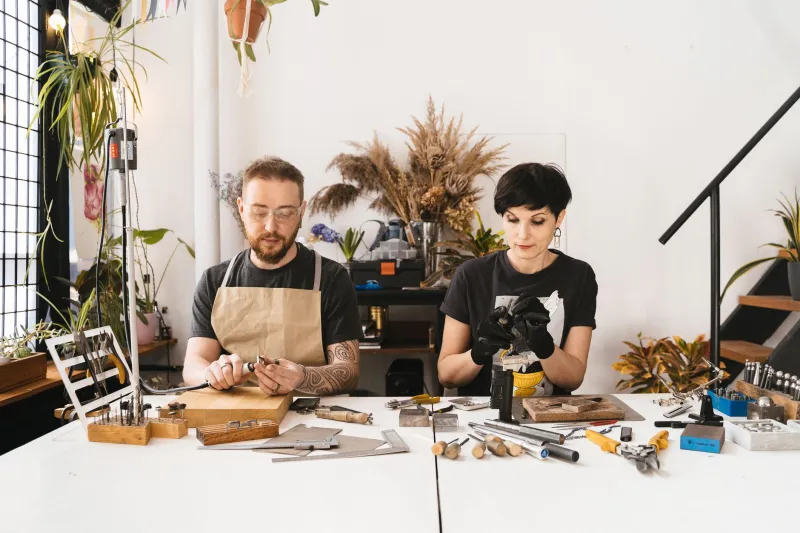
Trash to Toolpath: How the Maker Movement Is Turning Waste Into Working Designs
The Scrap Pile Is the New Supply Chain
There's a certain kind of maker magic that happens when someone looks at a broken dishwasher door panel and sees a CNC-ready sheet of ABS plastic. Or when a pile of salvaged 2x4s from a demolished porch becomes the raw stock for a laser-cut furniture project. It's not just resourcefulness — it's a whole different way of thinking about materials, manufacturing, and what "waste" even means.
Across the US, makers are quietly building what economists call a circular economy, one upcycled project at a time. And the secret weapon making it all possible? The same open-source digital fabrication tools that have been democratizing hardware development for years.
What Digital Fabrication Brings to the Upcycling Table
Here's the honest truth about working with reclaimed materials: they're unpredictable. A sheet of salvaged aluminum isn't going to be perfectly flat. A pallet board has nail holes, weathering, and grain variations that factory lumber doesn't. For a lot of traditional manufacturing setups, that unpredictability is a dealbreaker.
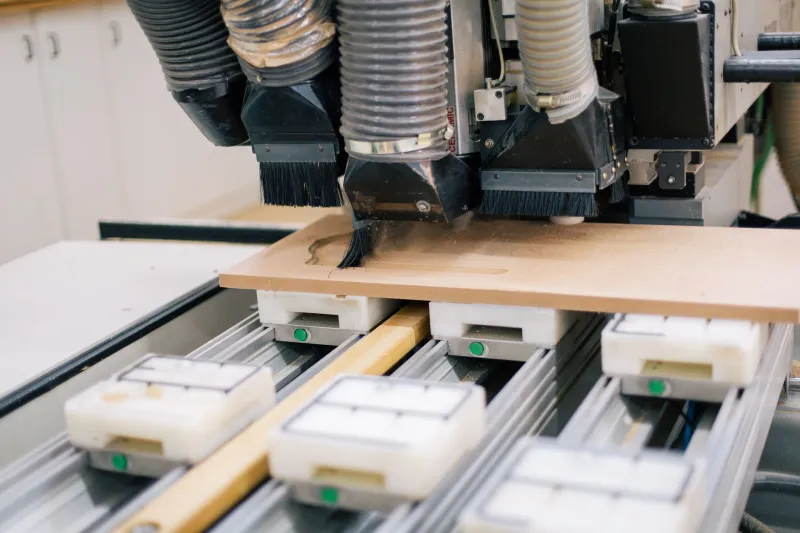
But digital fabrication tools — CNC routers, laser cutters, 3D printers, vinyl cutters — are actually pretty good at working around imperfections when you know how to use them. Open-source CAD and CAM software like FreeCAD, Inkscape, and OpenSCAD let makers design around material quirks rather than fighting them. You can measure an oddly-sized scrap piece, plug the dimensions into your design file, and cut something that fits perfectly. No waste. No forcing a square peg into a round hole.
That flexibility is huge. It's the difference between needing a perfect 24x48 sheet of plywood and being able to work with whatever 19x41 piece you pulled out of a dumpster behind a cabinet shop.
Real Makers, Real Reclaimed Projects
Take the folks over at community makerspaces in cities like Detroit, Portland, and Austin, where the culture of salvage runs deep. Makers there have been turning e-waste into functional electronics enclosures, laser-etching reclaimed leather scraps into custom patches and accessories, and even grinding down failed 3D prints to create filament feedstock for new prints.
One common project that's spread through online maker communities is the "pallet board CNC cabinet" — basically, using free or near-free shipping pallets as the primary material for shop storage. Shared design files on platforms like Thingiverse and Printables account for the inconsistency in pallet wood dimensions, giving builders parameters they can tweak to match whatever they've actually got on hand. The files get downloaded, modified, and re-shared. That's the circular economy working at the design level, not just the materials level.
Then there's the growing community around plastic reclamation. Projects like Precious Plastic — an open-source initiative that's gained serious traction in the US — share machine plans for building your own plastic shredders, extruders, and injection molders from scratch. Makers are setting up small neighborhood plastic recycling operations, collecting HDPE milk jugs and PP yogurt containers, shredding them down, and pressing them into usable sheets or pellets that can feed desktop fabrication tools. It sounds ambitious, but the barrier to entry is lower than you'd think, especially when the machine plans are free and the community support is robust.
Where to Source Reclaimed Materials That Actually Work
If you're ready to start pulling waste materials into your workflow, the sourcing question comes up fast. Here's where experienced makers tend to look:
Habitat for Humanity ReStores are goldmines for lumber, hardware, tile, and even appliances. Locations vary, but most major US metros have at least one, and the prices are consistently low.
Local Facebook Marketplace and Craigslist free sections move fast, but if you set up alerts for terms like "scrap wood," "metal scraps," or "old appliances," you'll catch good stuff regularly. Contractors and renovation crews post a lot here.
Industrial surplus dealers often carry off-spec or overrun materials — sheet metal, plastic stock, foam — at fractions of retail. These aren't always free, but they're cheap enough to experiment with guilt-free.
Print farms and makerspaces themselves generate a lot of failed prints and scrap cutoffs. Many are happy to let members take material that would otherwise go in the bin.
E-waste collection events run by municipalities or retailers like Best Buy are worth hitting up for donor electronics. Even if you're not harvesting components, enclosures, cables, and hardware can be repurposed in fabrication projects.
Designing for Imperfection (and Sharing What You Learn)
One of the most valuable things the maker community can do with upcycling knowledge is share it openly — and that's already happening. Design files that include adjustable parameters for non-standard material sizes, tutorials on prepping salvaged materials for laser cutting or milling, and guides to testing unknown plastics for safe machining are all circulating through open-source channels.
The broader design principle here is worth calling out: when you're working with reclaimed materials, you're essentially practicing adaptive design. You're learning to let the material inform the project rather than forcing a pre-set spec. That's actually a more sophisticated design mindset than just ordering a standard sheet from a supplier, and it produces makers who are genuinely better at problem-solving.
Sharing those adaptive design files — with notes on what material you used, where you got it, and what settings worked — multiplies the value exponentially. One maker's successful pallet-board cabinet file might save a hundred other makers hours of trial and error.
The Bigger Picture
None of this is going to single-handedly solve America's landfill crisis. Let's be real about that. But the maker movement has always been about proving what's possible at small scale, then watching those ideas ripple outward. Open-source fabrication tools made it possible for individuals to manufacture things that once required industrial infrastructure. The same tools, applied to reclaimed materials with the same spirit of sharing and iteration, can do something similar for sustainable manufacturing.
The scrap pile has always been there. Now we finally have the tools — and the community — to do something serious with it.